
















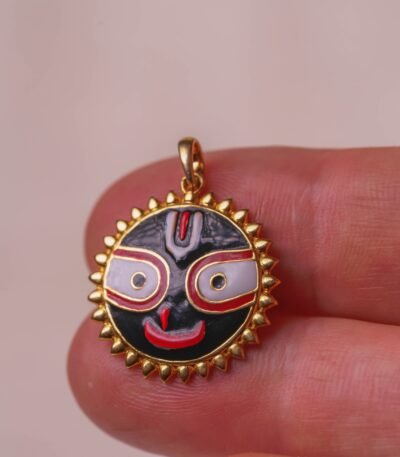
Jagannath Pendants Gold Pendant
Original price was: $400.00.$380.00Current price is: $380.00.10karat gold pendant
2.10 grams
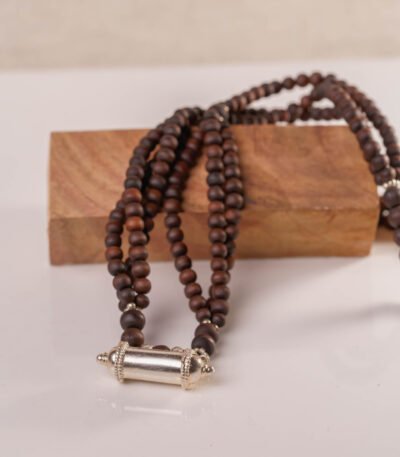
Mala with Pearls in Silver with Tulasi from Dhama, Krishna mood, Radha Style
Original price was: $245.00.$200.00Current price is: $200.00.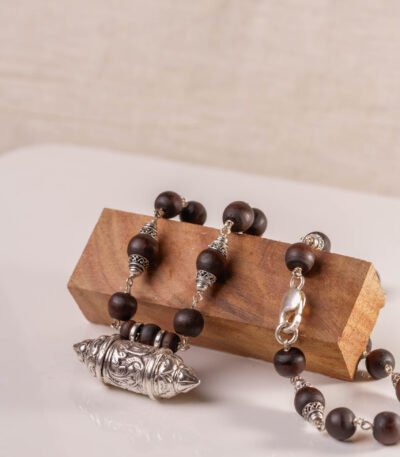
Stylish Mala Silver with Tulasi and Kavacha from Dhama, Krishna mood, Bhima Style
Original price was: $450.00.$400.00Current price is: $400.00.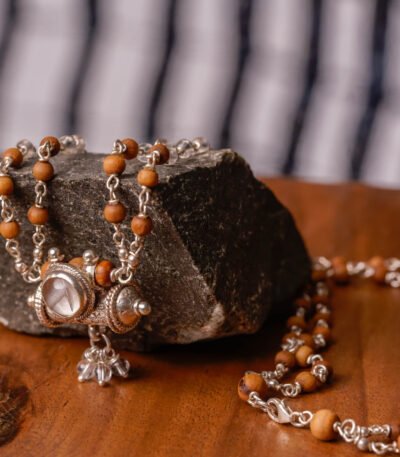
Stylish Mala with Cristal in Silver with Tulasi and Kavacha from Dhama, Krishna mood, Radha Style
Original price was: $300.00.$250.00Current price is: $250.00.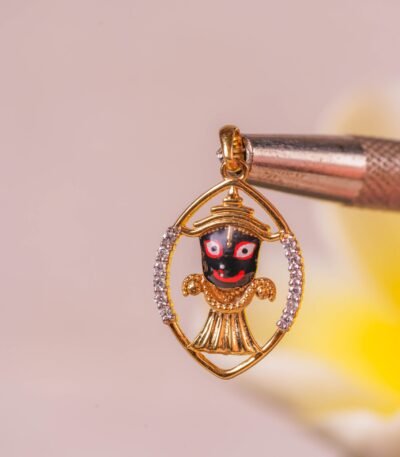
Jagannath Pendants Silver with Gold Plated.Krishna Style. Jagannath silver 925 pure pendant .
Original price was: $68.00.$40.00Current price is: $40.00.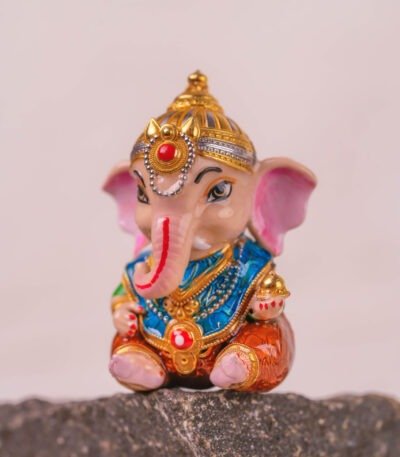
Ganesha Goddess of knowledge, Indian demigods, silver figurine of high quality
$250.00This exquisite 3cm silver Ganesha figurine embodies the divine energy of the beloved Lord Ganesha, not as a goddess, but as the revered God of wisdom, knowledge, and new beginnings. Crafted from pure or sterling silver, this petite statue gleams with a sacred radiance, perfect for a personal altar, study space, or as a cherished keepsake.
Despite its small size, the figurine meticulously captures Ganesha’s iconic form: his elephant head symbolizing intellect and wisdom, his large ears representing attentive listening, and his trunk, often holding a sweet or a symbolic object. He is often depicted seated in a relaxed posture, exuding a sense of peace and benevolence.
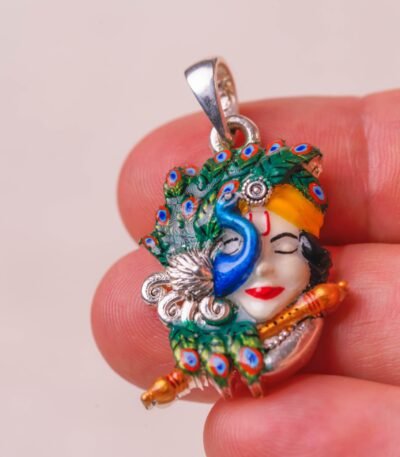
This stunning Sri Krishna silver pendant is a unique and captivating piece of devotional jewelry, blending traditional reverence with a sophisticated, contemporary aesthetic.
Original price was: $150.00.$100.00Current price is: $100.00.Discover the Beauty of Devotion
Introducing the stunning Sri Krishna silver pendant, a mesmerizing piece of devotional jewelry that combines tradition with modern elegance. Crafted from high-quality silver and featuring exquisite black rhodium plating, this pendant serves as a perfect symbol of reverence and beauty. It’s not just an accessory; it’s a heartfelt expression of devotion.
Craftsmanship Meets Elegance
The Radha Raman silver pendant is meticulously designed to captivate the heart and soul. This unique piece showcases intricate detailing that reflects the rich cultural heritage associated with Radha and Raman. The black rhodium plating not only enhances the overall appearance but also adds a contemporary twist, making it suitable for various occasions—from festive celebrations to everyday wear. It’s an ideal gift for those who appreciate the intersection of art and spirituality.
Versatile and Meaningful
Whether you are looking to enhance your own jewelry collection or searching for a meaningful gift, this pendant stands out. It beautifully represents love, devotion, and the eternal bond between Radha and Raman. Its versatility allows it to complement any outfit, from traditional attire to modern-day ensembles. Wearing this stunning pendant will not only elevate your style but also serve as a personal reminder of spiritual beliefs and cultural values.
Indulge yourself in the timeless elegance of the Radha Raman silver pendant. Experience the blend of tradition and contemporary design with this captivating piece of jewelry that tells a story of love, devotion, and reverence.
pendant size 2 cm
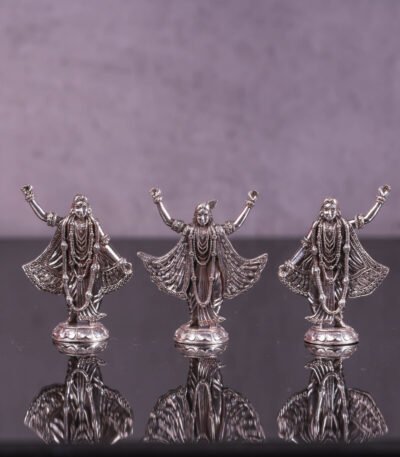

Yellow Gold Tilak Pendant from Mayapur, Radhe Style, Hare Krishna 10 karat
Original price was: $350.00.$300.00Current price is: $300.00.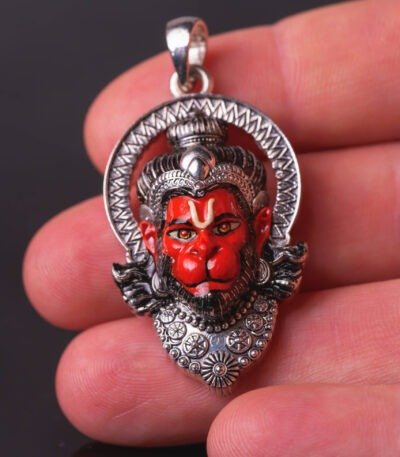
Hanuman silver pendant ,Handmade Pendant -Hare Krishna ,Ramachandra Style, Holy Hanuman silver best pendant
Original price was: $180.00.$150.00Current price is: $150.00.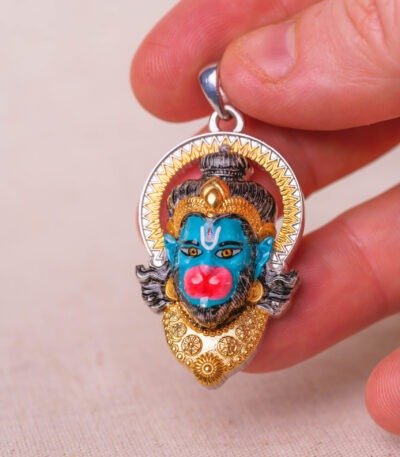
Hanuman silver pendant ,Handmade necklace – hare krishna kanthi mala, , Krishna Style, Holy Hanuman
Original price was: $150.00.$100.00Current price is: $100.00.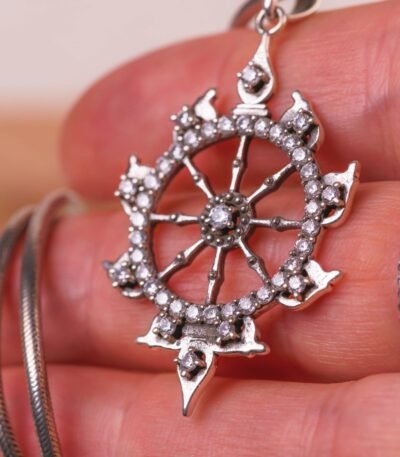
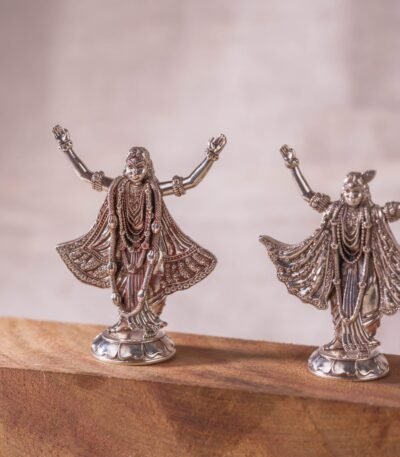
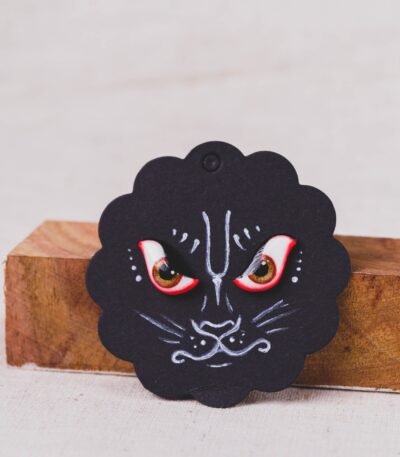
Eyes for Deities (Govardhan or Shaligram) , Krishna Style, Hare Krishna, Giriraj eyes.
Original price was: $55.00.$50.00Current price is: $50.00.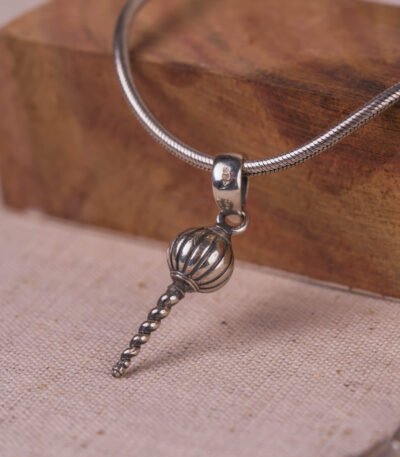
Gada silver pendant with Silver Chain ,Handmade necklace – hare krishna kanthi mala, , Krishna Style, Holy Hanuman Gada
Original price was: $200.00.$185.00Current price is: $185.00.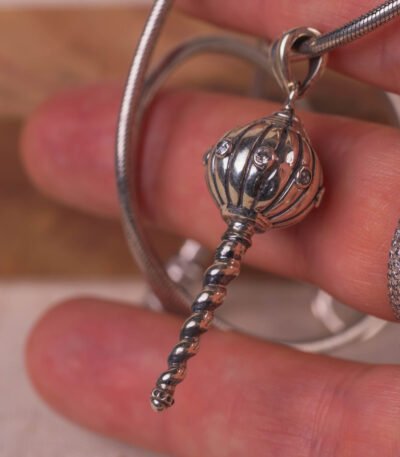
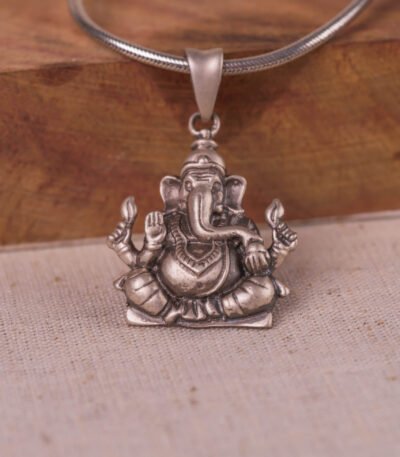
Discover this beautifully crafted pure silver pendant depicting Lord Ganesha, the auspicious deity, complete with a matching silver chain.
Original price was: $250.00.$240.00Current price is: $240.00.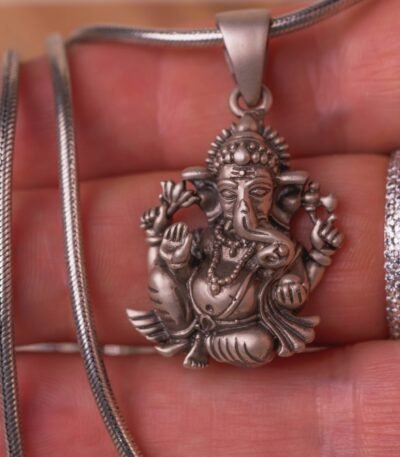
Discover this beautifully crafted pure silver pendant depicting Lord Ganesha, the auspicious deity, complete with a matching silver chain.
Original price was: $300.00.$270.00Current price is: $270.00.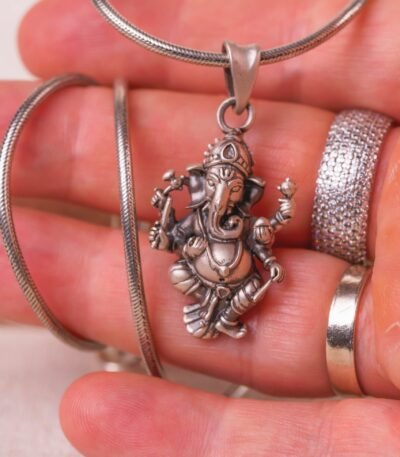
Discover this beautifully crafted pure silver pendant depicting Lord Ganesha, the auspicious deity, complete with a matching silver chain.
Original price was: $300.00.$270.00Current price is: $270.00.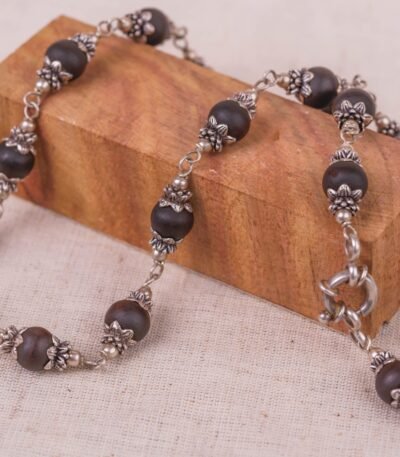
Unisex Silver Tulasi Handmade tulsi necklace – hare krishna kanthi mala, Krishna Style
Original price was: $350.00.$300.00Current price is: $300.00.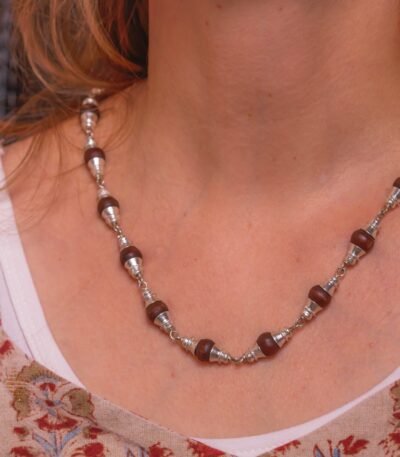
Unisex Silver Tulasi Handmade tulsi necklace – hare krishna kanthi mala, Krishna Style
Original price was: $200.00.$170.00Current price is: $170.00.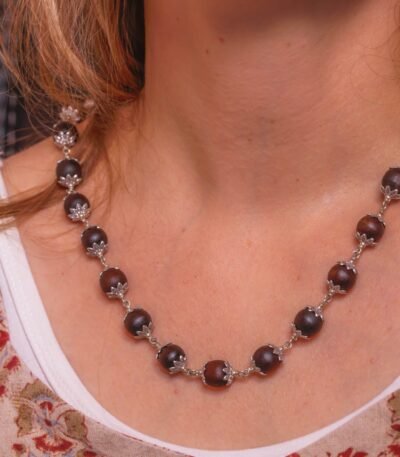
Unisex Silver Tulasi Handmade tulsi necklace – hare krishna kanthi mala,Krishna Style
Original price was: $300.00.$250.00Current price is: $250.00.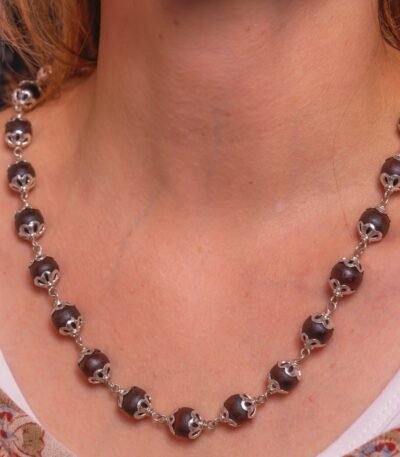
Lady Silver Tulasi Handmade tulsi necklace – hare krishna kanthi mala,Krishna Style
Original price was: $300.00.$250.00Current price is: $250.00.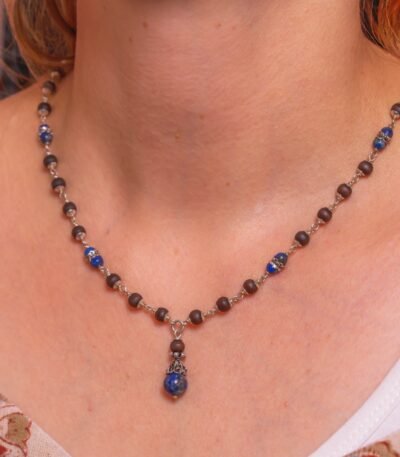
Lady Silver Tulasi Handmade tulsi necklace – hare krishna kanthi mala,Krishna Style
Original price was: $170.00.$150.00Current price is: $150.00.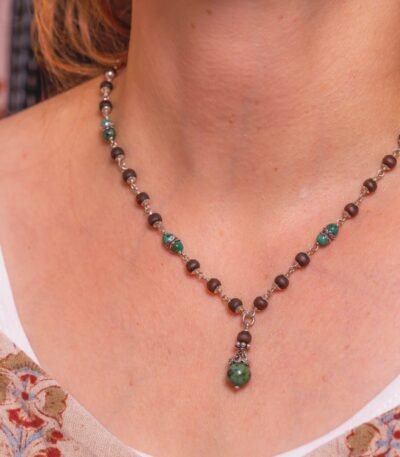
Lady Silver Tulasi Handmade tulsi necklace – hare krishna kanthi mala,Krishna Style
Original price was: $170.00.$150.00Current price is: $150.00.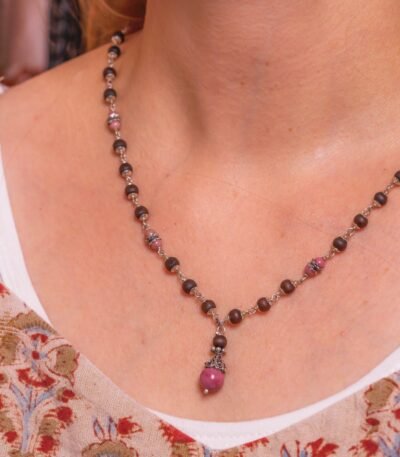
Lady Silver Tulasi Handmade tulsi necklace – hare krishna kanthi mala,Krishna Style
Original price was: $170.00.$150.00Current price is: $150.00.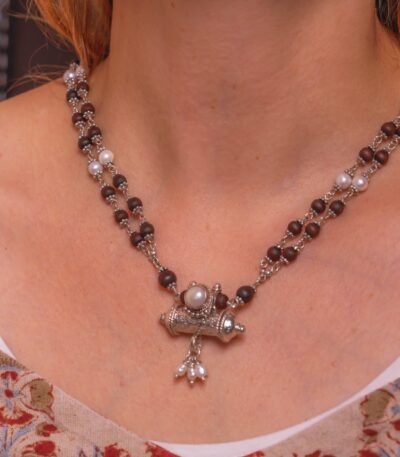
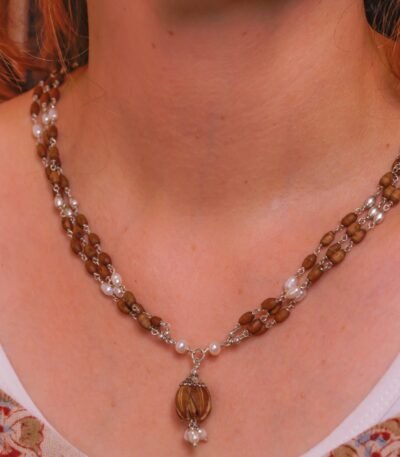
Mala with Pearls in Silver with Tulasi from Dhama, Krishna mood, Radha Style
Original price was: $300.00.$250.00Current price is: $250.00.
1.5 inches horn for Radha Krishna, Govardhan , Shaligramm, Gaura NItay to decorate your altar, a Krishna-style Altar
Original price was: $10.00.$6.70Current price is: $6.70.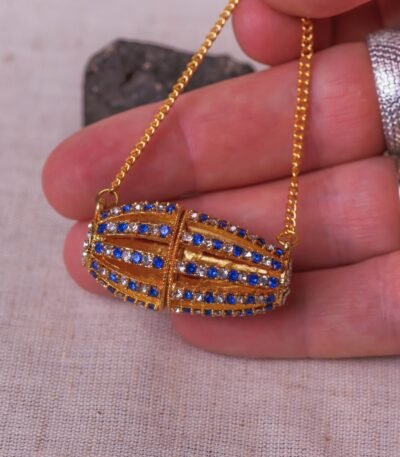
1.5 inches Mridanga for Radha Krishna, Govardhan , Shaligramm, Gaura NItay to decorate your altar, a Krishna-style Altar
Original price was: $10.00.$6.70Current price is: $6.70.
1 inch Karatals for Radha Krishna, Govardhan , Shaligramm, Gaura NItay to decorate your altar, a Krishna-style Altar
Original price was: $10.00.$6.70Current price is: $6.70.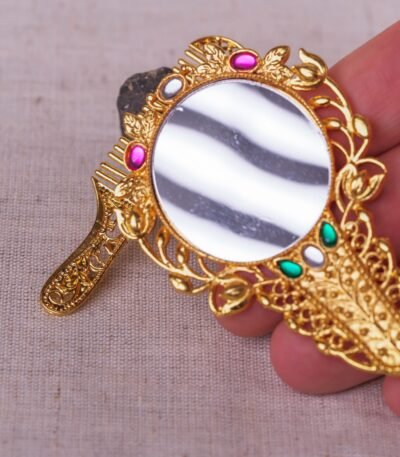
3 inches mirror set for Radha Krishna, Govardhan , Shaligramm to decorate your altar, a Krishna-style Altar
Original price was: $12.00.$10.00Current price is: $10.00.
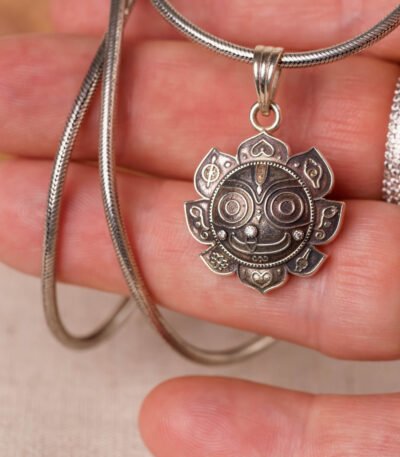
Small Jagannath silver pendant with Silver Chain .Handmade necklace – hare krishna kanthi mala, Krishna Style, Holy name
Original price was: $200.00.$195.00Current price is: $195.00.A Jagannath silver chain with a pendant would be a beautiful and spiritually significant piece of jewelry, allowing a devotee to keep the divine presence of Lord Jagannath close to their heart.
Material: Crafted from high-quality silver, most commonly 925 Sterling Silver, ensuring durability and a brilliant, long-lasting shine. Silver is considered a pure and auspicious metal in Hindu traditions.
Craftsmanship: The pendant might be a solid casting, intricately carved, or feature embossed details. Some might have an oxidized finish to bring out the details and give it an antique look, while others would have a high polish for a modern gleam.
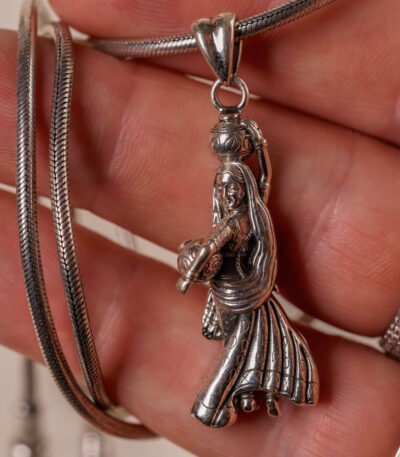
Adorn yourself with the divine love of Sri Radha with this pure 925 sterling silver pendant. A beautiful symbol of devotion and grace.
Original price was: $200.00.$185.00Current price is: $185.00.Crafted in exquisite 925 sterling silver, this pendant beautifully represents Sri Radha. Wear a symbol of pure love and spiritual connection.
Deity: Sri Radha (Radharani)
Material: 925 Sterling Silver (pure silver)
Meaning: Divine love, devotion, grace, spiritual connection, compassion, affection
Item: Pendant
Style: Beautiful, exquisite, elegant
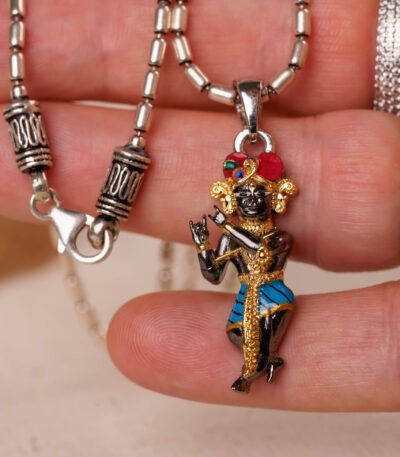
This stunning Radha Raman silver pendant with black rhodium plating is a unique and captivating piece of devotional jewelry, blending traditional reverence with a sophisticated, contemporary aesthetic.
Original price was: $200.00.$195.00Current price is: $195.00.Discover the Beauty of Devotion
Introducing the stunning Radha Raman silver pendant, a mesmerizing piece of devotional jewelry that combines tradition with modern elegance. Crafted from high-quality silver and featuring exquisite black rhodium plating, this pendant serves as a perfect symbol of reverence and beauty. It’s not just an accessory; it’s a heartfelt expression of devotion.
Craftsmanship Meets Elegance
The Radha Raman silver pendant is meticulously designed to captivate the heart and soul. This unique piece showcases intricate detailing that reflects the rich cultural heritage associated with Radha and Raman. The black rhodium plating not only enhances the overall appearance but also adds a contemporary twist, making it suitable for various occasions—from festive celebrations to everyday wear. It’s an ideal gift for those who appreciate the intersection of art and spirituality.
Versatile and Meaningful
Whether you are looking to enhance your own jewelry collection or searching for a meaningful gift, this pendant stands out. It beautifully represents love, devotion, and the eternal bond between Radha and Raman. Its versatility allows it to complement any outfit, from traditional attire to modern-day ensembles. Wearing this stunning pendant will not only elevate your style but also serve as a personal reminder of spiritual beliefs and cultural values.
Indulge yourself in the timeless elegance of the Radha Raman silver pendant. Experience the blend of tradition and contemporary design with this captivating piece of jewelry that tells a story of love, devotion, and reverence.
pendant size 1.5 cm
silver chain size 20 inches
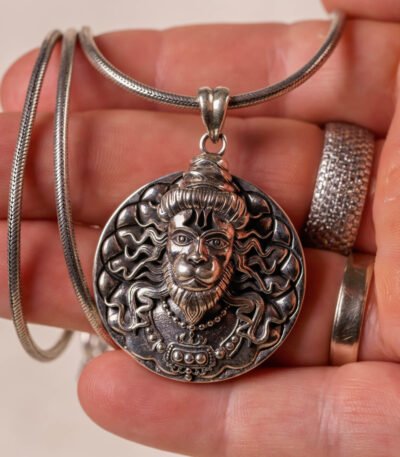
Hanuman silver pendant with Silver Chain ,Handmade necklace – hare krishna kanthi mala, , Krishna Style, Holy Hanuman (Copy)
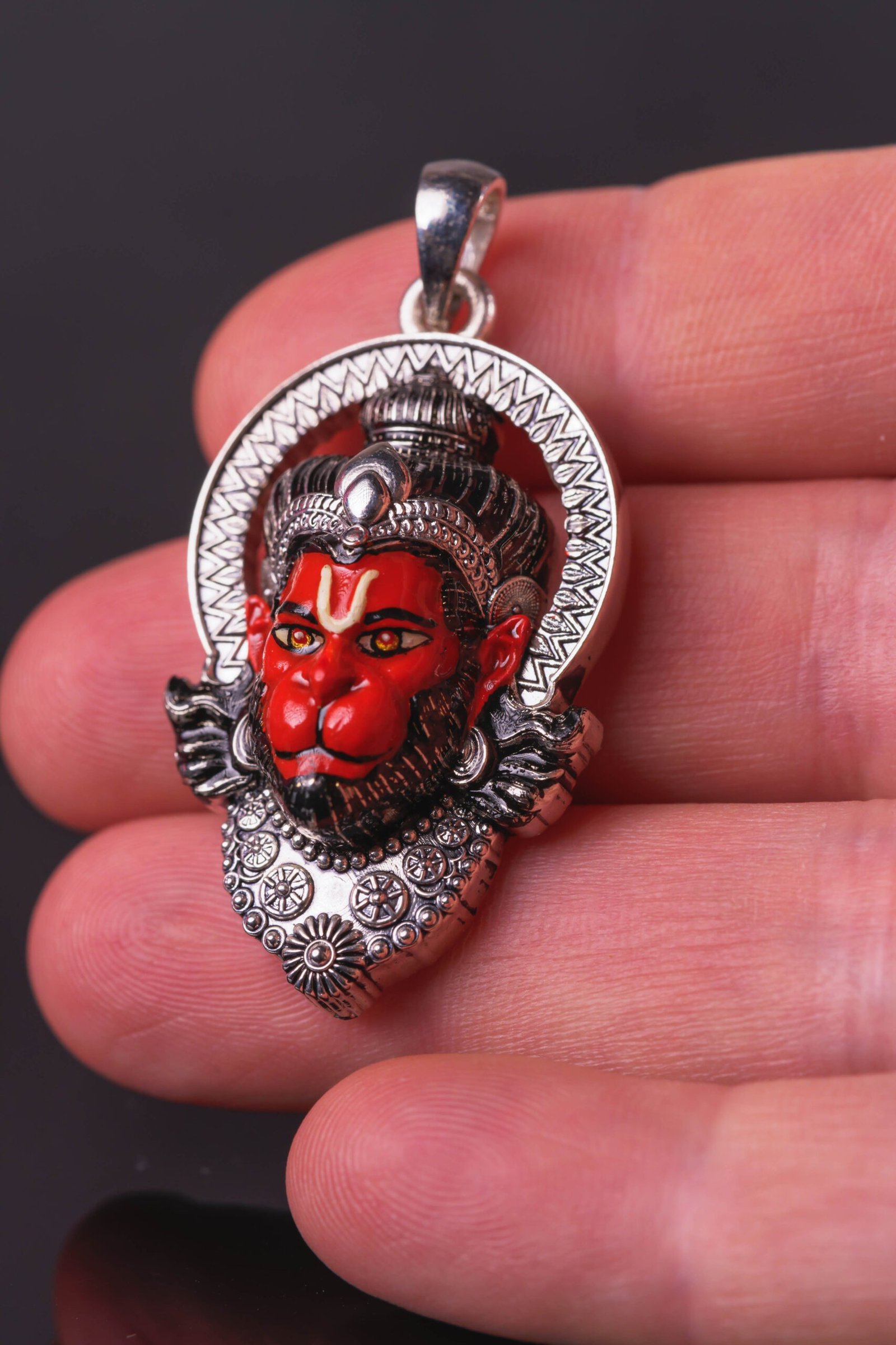
Original price was: $200.00.$195.00Current price is: $195.00.Introducing the Hanuman Silver Pendant
Discover the beauty of spirituality with our exquisite Hanuman silver pendant. This meticulously crafted piece showcases intricate details, embodying devotion and aesthetic appeal. Made from high-quality silver, it ensures durability and elegance.
Complete Your Look with a Silver Chain
Accompanying the pendant is a stunning silver chain, perfectly designed to enhance its charm. The chain not only adds to the overall appearance but also complements various outfits, making it a versatile accessory.
A Perfect Gift for All Occasions
This Hanuman silver pendant with silver chain is an ideal gift for loved ones or a meaningful addition to your personal collection. Embrace its spiritual significance and shine with elegance every day.
Introducing the Hanuman Silver Pendant
The Hanuman silver pendant is a beautifully crafted piece that carries deep spiritual significance. Made with high-quality silver, this pendant showcases intricate designs that honor the strength and devotion associated with Lord Hanuman.
Perfect Pair: Silver Chain Included
This stunning pendant comes with a matching silver chain, enhancing its elegance and making it a perfect accessory for any occasion. The chain complements the pendant beautifully, allowing it to shine brightly.
A Meaningful Gift
Whether for a loved one or as a personal keepsake, the Hanuman silver pendant with a silver chain offers a unique blend of spirituality and style. Embrace this exquisite piece and carry a symbol of protection and faith with you at all times.
Experience the divine protection of Lord Nrisimhadev with our Sterling Silver Pendant featuring a 20-inch chain. A powerful and elegant piece for spiritual seekers
Introduction to Nrisimhadev Pendant
The Nrisimhadev silver pendant is a stunning piece of jewelry that embodies grace and elegance. Crafted in high-quality silver, this pendant features intricate designs inspired by the deity Nrisimhadev, making it a revered accessory for many.
Features of the Pendant
This exquisite silver pendant is complemented by a durable silver chain that extends to 20 inches, providing a comfortable fit for daily wear or special occasions. The combination of the pendant and chain enhances its overall appeal, allowing it to seamlessly blend with various outfits.
Why Choose This Jewelry?
Wearing the Nrisimhadev silver pendant symbolizes protection and strength. Its beautiful craftsmanship not only elevates your style but also serves as a meaningful statement piece. Ideal for gifting or personal use, this pendant is a timeless addition to any jewelry collection.
silver chain 20 inches
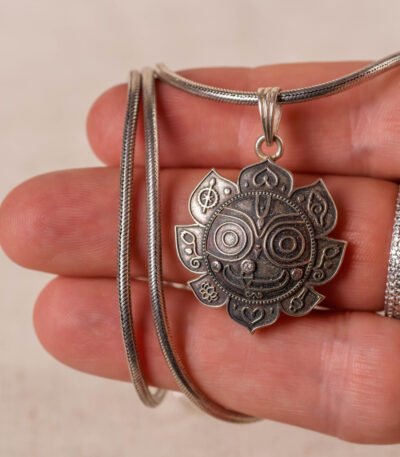
Jagannath silver pendant with Silver Chain .Handmade necklace – hare krishna kanthi mala, , Krishna Style, Holy name
Original price was: $200.00.$195.00Current price is: $195.00.A Jagannath silver chain with a pendant would be a beautiful and spiritually significant piece of jewelry, allowing a devotee to keep the divine presence of Lord Jagannath close to their heart.
Material: Crafted from high-quality silver, most commonly 925 Sterling Silver, ensuring durability and a brilliant, long-lasting shine. Silver is considered a pure and auspicious metal in Hindu traditions.
Craftsmanship: The pendant might be a solid casting, intricately carved, or feature embossed details. Some might have an oxidized finish to bring out the details and give it an antique look, while others would have a high polish for a modern gleam.
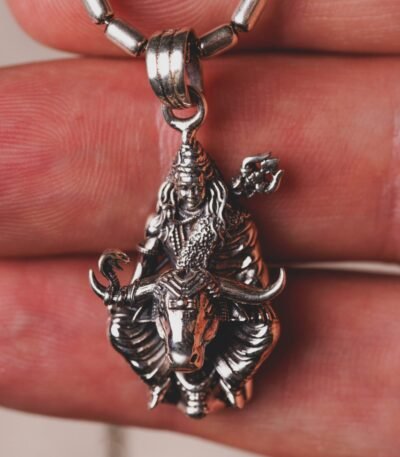
This elegant Lord Shiva silver pendant, paired with a classic 20-inch silver chain, is a profound statement of faith and a beautiful adornment for any devotee
Original price was: $200.00.$195.00Current price is: $195.00.The Pendant: The focal point is the meticulously detailed Balaji pendant. Balaji, a beloved form of Lord Venkateswara (Lord Vishnu), is widely revered, and His image signifies blessings, protection, and fulfillment of desires. Being handmade, each pendant carries a unique touch, showcasing the artisan’s devotion and skill. The silver gleams with a radiant luster, making the deity’s features stand out, whether it’s a depiction of His distinct tilak (U-shaped mark), His conch and disc, or His benevolent face. The “Hare Krishna” and “Krishna Style” influence means the design will resonate deeply with devotees of Krishna Consciousness, offering a subtle yet powerful statement of faith.
The Silver Chain: Accompanying the pendant is a durable and elegant 20-inch silver chain. This length is versatile, allowing the pendant to rest comfortably on the chest, making it suitable for both daily wear and special devotional occasions. The chain’s matching silver purity (likely 925 sterling silver, consistent with the pendant) ensures seamless integration and lasting quality. Its secure clasp provides peace of mind, keeping your sacred pendant safely close.
Spiritual Significance: For devotees in the Hare Krishna tradition, wearing a Balaji pendant is a constant reminder of the Lord’s omnipresence and His boundless mercy. It serves as a personal amulet, fostering a deeper connection to the divine, invoking blessings, and inspiring spiritual remembrance throughout the day. The handmade nature further imbues it with unique energy and craftsmanship, making it a truly personal and cherished piece.
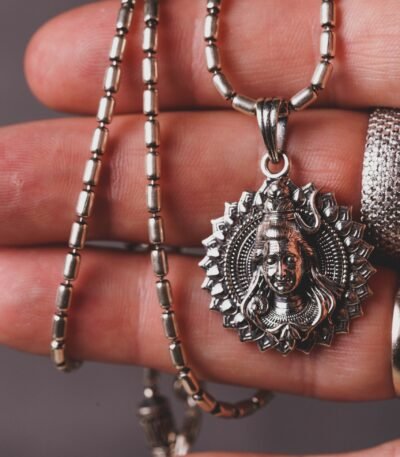
This elegant Lord Shiva silver pendant, paired with a classic 20-inch silver chain, is a profound statement of faith and a beautiful adornment for any devotee
Original price was: $200.00.$195.00Current price is: $195.00.The Pendant: The focal point is the meticulously detailed Balaji pendant. Balaji, a beloved form of Lord Venkateswara (Lord Vishnu), is widely revered, and His image signifies blessings, protection, and fulfillment of desires. Being handmade, each pendant carries a unique touch, showcasing the artisan’s devotion and skill. The silver gleams with a radiant luster, making the deity’s features stand out, whether it’s a depiction of His distinct tilak (U-shaped mark), His conch and disc, or His benevolent face. The “Hare Krishna” and “Krishna Style” influence means the design will resonate deeply with devotees of Krishna Consciousness, offering a subtle yet powerful statement of faith.
The Silver Chain: Accompanying the pendant is a durable and elegant 20-inch silver chain. This length is versatile, allowing the pendant to rest comfortably on the chest, making it suitable for both daily wear and special devotional occasions. The chain’s matching silver purity (likely 925 sterling silver, consistent with the pendant) ensures seamless integration and lasting quality. Its secure clasp provides peace of mind, keeping your sacred pendant safely close.
Spiritual Significance: For devotees in the Hare Krishna tradition, wearing a Balaji pendant is a constant reminder of the Lord’s omnipresence and His boundless mercy. It serves as a personal amulet, fostering a deeper connection to the divine, invoking blessings, and inspiring spiritual remembrance throughout the day. The handmade nature further imbues it with unique energy and craftsmanship, making it a truly personal and cherished piece.
